2026-10-02 · Dale Harlan
Is Spray Foam Attic Insulation Worth It for Oklahoma Homes?
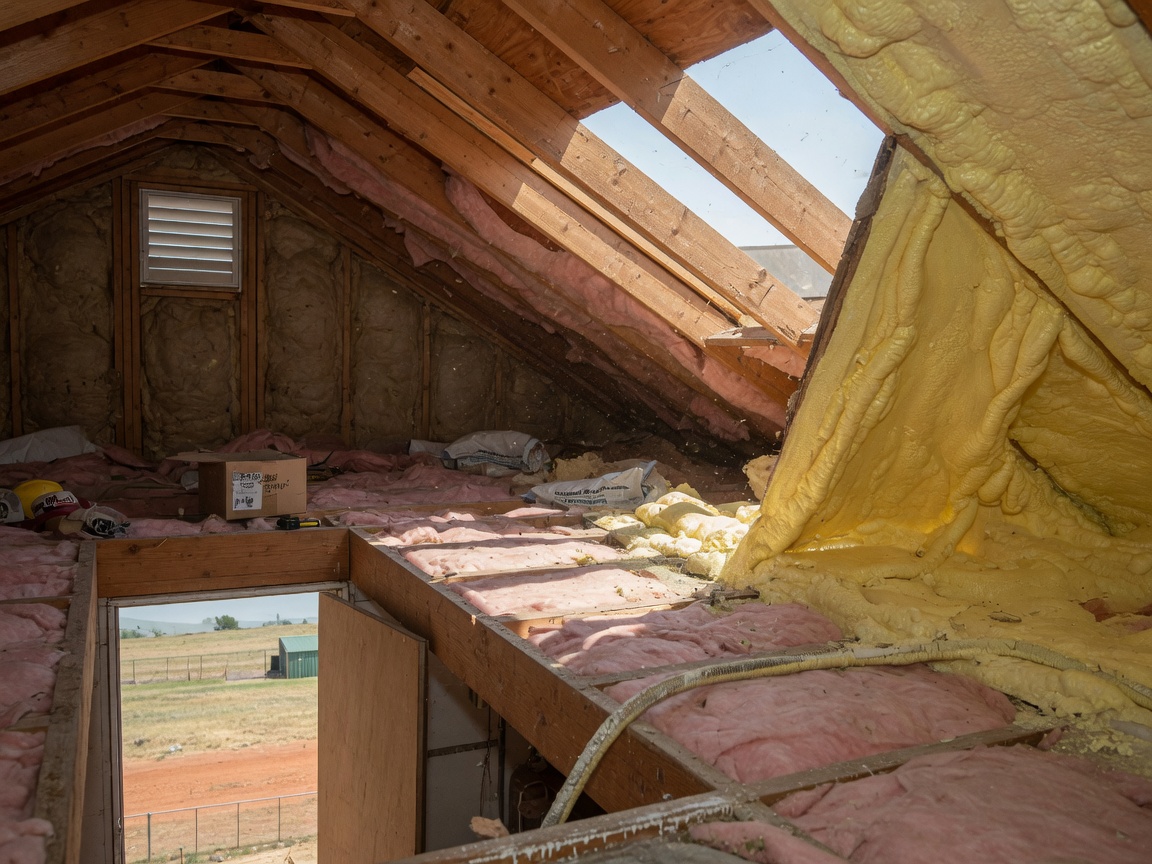
Yes, spray foam attic insulation is worth it for most Oklahoma homes when the goal is long-term energy control and moisture management in humid subtropical conditions. In Sand Springs the payoff shows up fastest on homes built before 1980 that still have vented attics and minimal existing insulation, especially those near Keystone Lake where summer humidity drives up air-conditioning runtime.
Climate Demands in Tulsa County
Sand Springs sits in a humid subtropical zone with hot, sticky summers and mild winters that rarely dip below freezing for long. This pattern means the primary load on attics is heat gain and moisture infiltration rather than heat loss. Closed-cell spray foam creates an air seal that limits both, which matters when temperatures climb and stay high for weeks. Homeowners in Sand Springs Heights and Prattville often notice the difference first because many of those houses were built with shallow attics and single-pane windows that already struggle against Tulsa-area summer peaks. The same seal also reduces the chance of condensation forming on roof decking during the occasional mild winter cold snap.
Housing Stock Realities Around Keystone and Mannford
Many Sand Springs homes date from the 1950s through 1970s, especially along older streets near the Sand Springs Cultural and Historical Museum and Charles Page Memorial Stadium. These attics typically have 4–6 inches of original fiberglass that has settled or been disturbed by rodents and HVAC work. Spray foam applied directly to the roof deck brings the insulation plane to the underside of the sheathing, eliminating the vented space that pulls in humid air from Keystone Lake. In contrast, newer subdivisions near Sapulpa and Mannford may already have some blown-in material, but gaps around penetrations still allow heat and moisture to bypass it. Applying spray foam in these homes focuses on sealing rather than adding thickness.
How Spray Foam Performs Versus Traditional Options
Homeowners comparing materials often look at the article Spray Foam vs. Fiberglass Insulation: What Sand Springs Homeowners Should Know for side-by-side details. Spray foam adheres to irregular surfaces and fills gaps that fiberglass cannot reach without major demolition. In Sand Springs attics the difference appears in reduced dust infiltration and more stable indoor temperatures once the foam is in place. The material also adds structural rigidity to roof decks, which helps during Oklahoma wind events. Because the work happens from inside the attic, crews can complete most residential jobs in one or two days without disturbing living spaces.
Practical Payback Factors for Local Homes
Payback depends on existing insulation levels, attic access, and how much of the home’s cooling load comes through the roof. Older Prattville properties with minimal insulation often see the largest drop in summer utility use because the foam stops the biggest leaks first. Newer homes in Sand Springs Heights may need less material but still benefit from air sealing around recessed lights and plumbing stacks. The service page for Attic Spray Foam Insulation outlines the typical process used on these local houses. Crews inspect for active leaks and electrical issues before spraying, then apply the foam in lifts to reach the target thickness without trapping moisture against the decking.
When It Makes the Most Sense
Spray foam attic insulation delivers the clearest return on homes that are occupied year-round and where the owner plans to stay long enough to capture the energy savings. It also suits properties near Keystone Lake that experience higher humidity levels than inland Tulsa neighborhoods. Homes planning roof replacement soon can combine the two projects so the foam is applied before new shingles go on. In every case the decision rests on a site visit that measures current R-value, checks for moisture, and confirms the attic can be accessed safely. Sand Springs Spray Foam Insulation Heroes operates from 8635 W 21st St, Sand Springs, OK 74063 with hours Monday through Friday 8am–6pm and Saturday 9am–2pm to schedule those evaluations.